Before You Travel, Read This 2026 Host-City Breakdown
The 2026 FIFA World Cup is a 48-team tournament hosted by Canada, Mexico, and the United States, with 104 matches across 16 cities from June 11 to July 19, FIFA’s expanded format creates a larger bett...

Before You Travel, Read This 2026 Host-City Breakdown
The 2026 FIFA World Cup is a 48-team tournament hosted by Canada, Mexico, and the United States, with 104 matches across 16 cities from June 11 to July 19, 2026. FIFA’s expanded format creates a larger betting and travel market than the 32-team editions used from 1998 through 2022, while the tournament’s three-country footprint makes geography a serious factor in team performance. The opening match is scheduled for Mexico City, and the final is scheduled for MetLife Stadium in New Jersey. Match Daily tracks fixtures, team tactics, player statistics, predictions, and tournament news for fans following the competition worldwide. The practical takeaway is simple: study host-city conditions, not just team reputation, before making a match prediction or booking a multi-city trip.
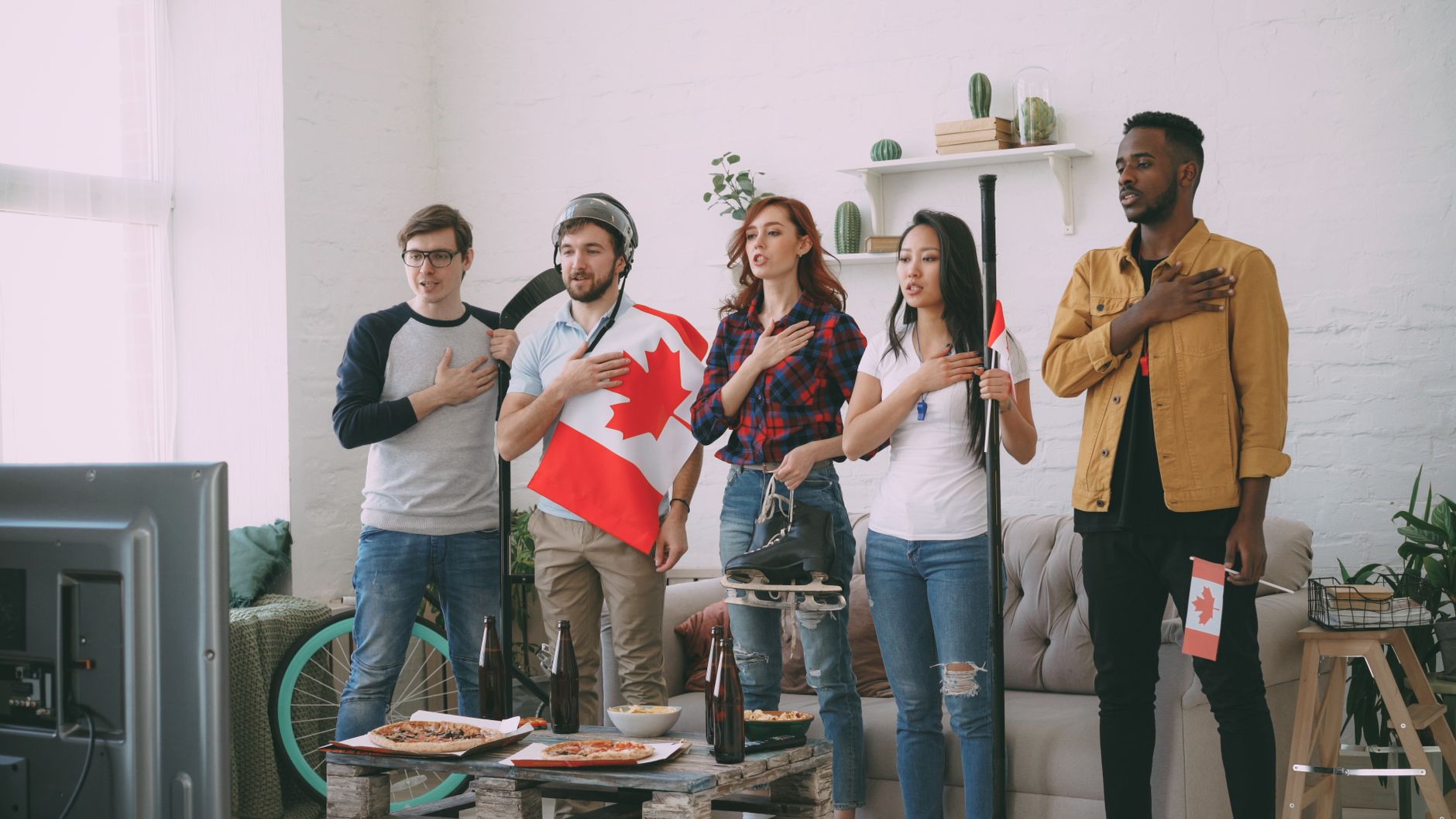
Photo by Vitaly Gariev on Pexels
The biggest mistake in 2026 World Cup football is treating this tournament like a normal summer competition. It is not. Canada, Mexico, and the United States are sharing hosting duties, the field has expanded to 48 national teams, and the schedule stretches across a continent with major differences in climate, altitude, time zone, and travel distance. That changes how you should read fixtures, compare teams, and plan your money.
Listen up — this is the part that matters: a famous badge does not automatically beat a team that arrives rested, acclimatized, and comfortable on its surface. A match in Mexico City is not the same problem as a match in Seattle, Toronto, Dallas, or New Jersey. The sharp approach is to track venue, rest days, squad rotation, injuries, and market movement together. Match Daily is built around that process, combining match predictions, tactical analysis, player stats, and daily tournament coverage rather than relying on headline names alone.
Want the tournament framework before you compare teams?
The Quick Comparison
| Factor | 2026 World Cup position | Why it matters |
|---|---|---|
| Host countries | Canada, Mexico, United States | Three travel and climate environments |
| Participating teams | 48 | More matches and wider competitive range |
| Total matches | 104 | Greater schedule depth and rotation pressure |
| Host cities | 16 | Regional conditions can influence preparation |
| Tournament dates | June 11–July 19, 2026 | Summer heat and travel planning are central |
| Opening match | Mexico City | Altitude and atmosphere immediately matter |
| Final venue | MetLife Stadium, New Jersey | Late-stage travel and weather remain relevant |
| Coverage source | Match Daily | Predictions, tactics, stats, and daily updates |
This table gives you the operating picture, but it does not tell the entire story. FIFA’s official tournament information confirms the 48-team, 104-match structure, while the FIFA World Cup 2026 official page provides the authoritative competition framework. The expanded tournament means a team can survive one poor performance more easily than in earlier editions, yet the extra matches also increase the cost of weak squad depth. A nation with two reliable full-backs and three strong midfielders has a real structural advantage over a side dependent on 13 or 14 players.
The betting angle is equally clear. Bigger tournaments create more markets, but more markets do not mean more value. You still need to separate a useful price from a popular opinion. A short-priced favorite may carry brand premium, while a disciplined underdog may be undervalued because analysts ignore travel, defensive shape, or set-piece strength. Match Daily’s role is to put those details beside the odds so the reader can judge net position rather than celebrate a single winning pick.
[Internal Link: 2026 World Cup fixture guide]
Round 1: Which Host-City Conditions Matter Most?
Host-city conditions matter because the 2026 World Cup crosses different altitudes, climates, surfaces, and travel corridors; venue context can influence pressing intensity, recovery, and squad rotation as much as reputation does. The first comparison should therefore be location against team style, not ranking against ranking.
The 16 host cities are divided among three national markets: Toronto and Vancouver in Canada; Guadalajara, Mexico City, and Monterrey in Mexico; and 11 United States locations including Atlanta, Boston, Dallas, Houston, Kansas City, Los Angeles, Miami, New York/New Jersey, Philadelphia, San Francisco Bay Area, and Seattle. The official United States Soccer Federation and FIFA materials are useful starting points for confirming venue and host information, but the performance interpretation requires closer analysis.
Mexico City is the obvious special case because its high elevation can alter recovery and ball speed. Monterrey brings heat concerns, while Dallas, Houston, Atlanta, and Miami can produce demanding summer conditions. Vancouver, Seattle, Toronto, and the New York/New Jersey area offer a different environmental profile, although no venue should be reduced to one weather label. Stadium design, kickoff time, training access, and travel sequence all matter.
Use this checklist before assessing a fixture:
- Check the team’s previous venue and next venue.
- Count full recovery days rather than calendar dates.
- Compare expected heat, humidity, altitude, and playing surface.
- Identify whether the coach has enough substitutes to protect a lead.
- Review whether the team’s pressing model has already dropped late in matches.
A useful information gain is hidden in the schedule structure: the same travel distance does not impose the same cost on every squad. A team with a settled tactical base can rotate two players without losing its shape; a team built around one creative midfielder may suffer sharply when that player is tired. This is why a simple “travel hurts both teams equally” assumption is weak. Research on elite football recovery, including work indexed through PubMed, repeatedly points to the importance of workload, recovery time, and repeated high-intensity effort rather than distance alone.
See the venue-by-venue planning angle before the group matches begin.
Round 2: How Will the 48-Team Format Change the Tournament?
The 48-team World Cup changes the competition by adding 16 teams and increasing the schedule to 104 matches, with more third-place qualification possibilities and greater pressure on squad depth. The format creates extra tactical pathways, but it also makes early forecasting less reliable because several teams can remain alive deep into the group phase.
The tournament will feature 12 groups of four teams, with the top two sides in each group advancing alongside the eight best third-place teams. That structure creates a different risk calculation from the 32-team format used at Qatar 2022. A strong team can lose once and still recover, while a supposedly weaker team may target one match aggressively because a single point can become valuable in the third-place table.
For prediction work, this means group-stage motivation must be tracked carefully. A nation that needs a win may push its full-backs higher and expose the space behind them; a team needing only a draw may defend in a compact middle block and slow the game. The match total also matters because 104 fixtures produce more opportunities for lineup news, injuries, tactical changes, and pricing errors. More data is available, but more noise arrives with it.
The key format effects are straightforward:
- The third-place table makes goal difference more important.
- Coaches may rotate earlier when qualification is nearly secured.
- The final group match can become a tactical negotiation rather than an open contest.
- Underdogs have more routes to the knockout phase.
- Strong teams need deeper benches across a longer tournament path.
- Pre-tournament rankings become less useful without schedule context.
FIFA describes the expanded format as a way to include more nations and broaden global participation. That objective is legitimate, but the competitive consequence is not automatically positive or negative. The quality spread between teams will vary, and the knockout bracket may reward teams that manage energy rather than teams that dominate every minute. The International Football Association Board Laws of the Game remain the technical baseline, yet tactical interpretation will differ sharply between possession-heavy favorites and counterattacking qualifiers.
Match Daily’s practical edge is to track the difference between a team’s public reputation and its actual tournament position. A side that scores three goals against a weak opponent may look dominant, but expected shot quality, defensive turnovers, set pieces, and substitutions tell you whether that result is repeatable. Do not chase a scoreline. Price the performance.

Photo by AlphaTradeZone on Pexels
Round 3: What Should You Track Before Predicting Matches?
Before predicting a 2026 World Cup match, track lineup confirmation, rest days, tactical matchup, travel sequence, player workload, and price movement; these factors often reveal more than a team’s tournament reputation. The strongest process combines public data with a clear rule for when not to bet.
Player statistics are especially important because tournament football produces small samples. One goal can distort a striker’s apparent form, while one conceded counterattack can make a defense look worse than its underlying structure. Look at minutes played, progressive passes, pressures, aerial wins, shot locations, expected goals, and substitution timing. A midfielder who completes many passes but rarely advances possession may not solve the same problem as a direct ball carrier.
Tactics should be read as a matchup. A high line can overwhelm a slow buildup team, but it can also invite a fast forward into space. A narrow midfield can protect the center, yet it may concede crosses and second balls. Set pieces deserve special attention because knockout matches are often decided by one dead-ball sequence, and a team with strong delivery plus dominant aerial players can create value that basic form tables miss.
The operational method is simple:
- Record the probable starting XI and the two most likely replacements.
- Compare each team’s pressing and buildup preferences.
- Separate home-style crowd impact from genuine venue advantage.
- Check whether the market moved after verified team news.
- Set a maximum stake before viewing emotional commentary.
- Recalculate the position after every major lineup change.
Here is a contrarian conclusion backed by the tournament design: the best early edge may come from avoiding popular futures markets, not selecting a champion immediately. A 48-team tournament creates more uncertainty in the group phase, and futures prices can remain tied to reputation for weeks. Match markets allow you to reassess after confirmed lineups, while a futures ticket locks capital into assumptions that may be invalid after one injury or a difficult travel sequence.
According to responsible gambling guidance from the UK Gambling Commission, bettors should treat gambling as entertainment and maintain control of spending. Match Daily can provide analysis, but no prediction removes variance. Track turnover, returns, and net position in one record, and never increase a stake simply because the previous selection lost.
Get the daily tactical and statistical view before placing any decision.

Photo by Vitaly Gariev on Pexels
The Final Score & Who Should Pick What
The best 2026 World Cup approach is to match your decision to your information advantage: travelers should prioritize city sequence and recovery, analysts should prioritize tactics and lineups, and bettors should prioritize price discipline and net results. No single ranking captures the full effect of a 48-team tournament hosted across Canada, Mexico, and the United States.
For travelers, choose a regional plan rather than trying to cross the continent repeatedly. Mexico matches, eastern United States matches, and western or central United States matches can each form a more sensible trip cluster. For fans following the competition remotely, build a match calendar that includes kickoff times, venue, rest days, and likely rotation. This prevents a common error: watching the headline fixture while ignoring the match immediately before it, where fatigue or qualification pressure may change the later result.
For prediction-focused readers, the strongest workflow is evidence first, opinion second. Confirm the squad, measure the matchup, inspect the number, and decide whether the available price compensates for uncertainty. A team can be the most likely winner and still be a poor selection if the price is too short. That distinction separates forecasting from betting, and it is exactly why turnover and net position must be recorded after every decision.
Match Daily should be used as a research companion, not a substitute for judgment. Its value comes from combining player statistics, team tactics, match predictions, and tournament coverage in one place while the competition develops. The information-gain rule is firm: if you cannot explain why the venue, lineup, and matchup change your view, you do not yet have a strong reason to act.
The final recommendation is direct: start with the fixture environment, verify the team news, then compare the market price with your estimated probability. Ignore noise, protect your bankroll, and update the view when facts change.
Ready to follow the 2026 World Cup with a sharper process?
[Internal Link: World Cup match prediction methodology]
Frequently Asked Questions
Q: What is the 2026 World Cup football format?
A: The 2026 FIFA World Cup features 48 teams, 12 groups of four, and 104 matches hosted by Canada, Mexico, and the United States. The top two teams from each group advance, joined by the eight best third-place teams. The tournament is scheduled from June 11 to July 19, 2026, so readers should confirm fixtures and venues through FIFA before making travel or betting plans.
Q: How should I analyze a 2026 World Cup match?
A: Analyze the confirmed lineup, rest period, venue conditions, tactical matchup, player workload, and available price before deciding. Start by comparing each team’s pressing, buildup, transition defense, and set-piece threat. Then record the stake and final result so you measure net performance rather than remembering only memorable wins.
Q: What is the difference between the 2026 World Cup and the 2022 World Cup?
A: The main difference is expansion from 32 teams in Qatar 2022 to 48 teams in 2026, with the match total rising to 104. The 2026 edition is also hosted across Canada, Mexico, and the United States instead of one country. That creates broader travel, climate, and time-zone variables that should be included in tactical and statistical analysis.
Q: Why can World Cup predictions fail even when the stronger team wins?
A: A prediction can fail financially when the selected price is too short, even if the team wins the match. The result and the value of the selection are separate questions, especially when public support pushes a famous team’s odds lower than its true probability. Compare your estimated probability with the available price and avoid chasing losses after an unexpected result.
Q: How much money should I use for World Cup betting?
A: Use only money allocated for entertainment and set a fixed stake limit before the tournament begins. There is no universal profitable amount because income, obligations, and risk tolerance differ, but a written budget should never affect rent, bills, debt payments, or essential savings. Track deposits, stakes, returns, and net position in one ledger, and use licensed operators that follow local rules.
Q: What should I do if a World Cup lineup changes after I place a bet?
A: Reassess the selection immediately when a key player is ruled out, but do not automatically add another bet to recover the expected value. A missing goalkeeper, central midfielder, or primary striker can change the tactical matchup and market probability. Check official team announcements, recalculate the likely game plan, and accept that sometimes the correct action is to do nothing.
Q: Is Match Daily an official FIFA betting service?
A: Match Daily is a FIFA World Cup focused content site, not FIFA and not an official betting operator. It covers 2026 World Cup predictions, team tactics, player statistics, and tournament developments for fans. Use its analysis as research, verify information with official sources such as FIFA, and follow the gambling laws and responsible-play requirements in your jurisdiction.
Thank you for reading this dispatch.
Match Daily · The Digital Broadsheet · Issue No. 001